
LIVIA — Applied AI and Computer Vision Research Laboratory

APPLIED AI & COMPUTER VISION LAB
LIVIA // ÉTS MONTRÉAL

LIVIA

Calculated Perception

Calm stays, carefully hosted.

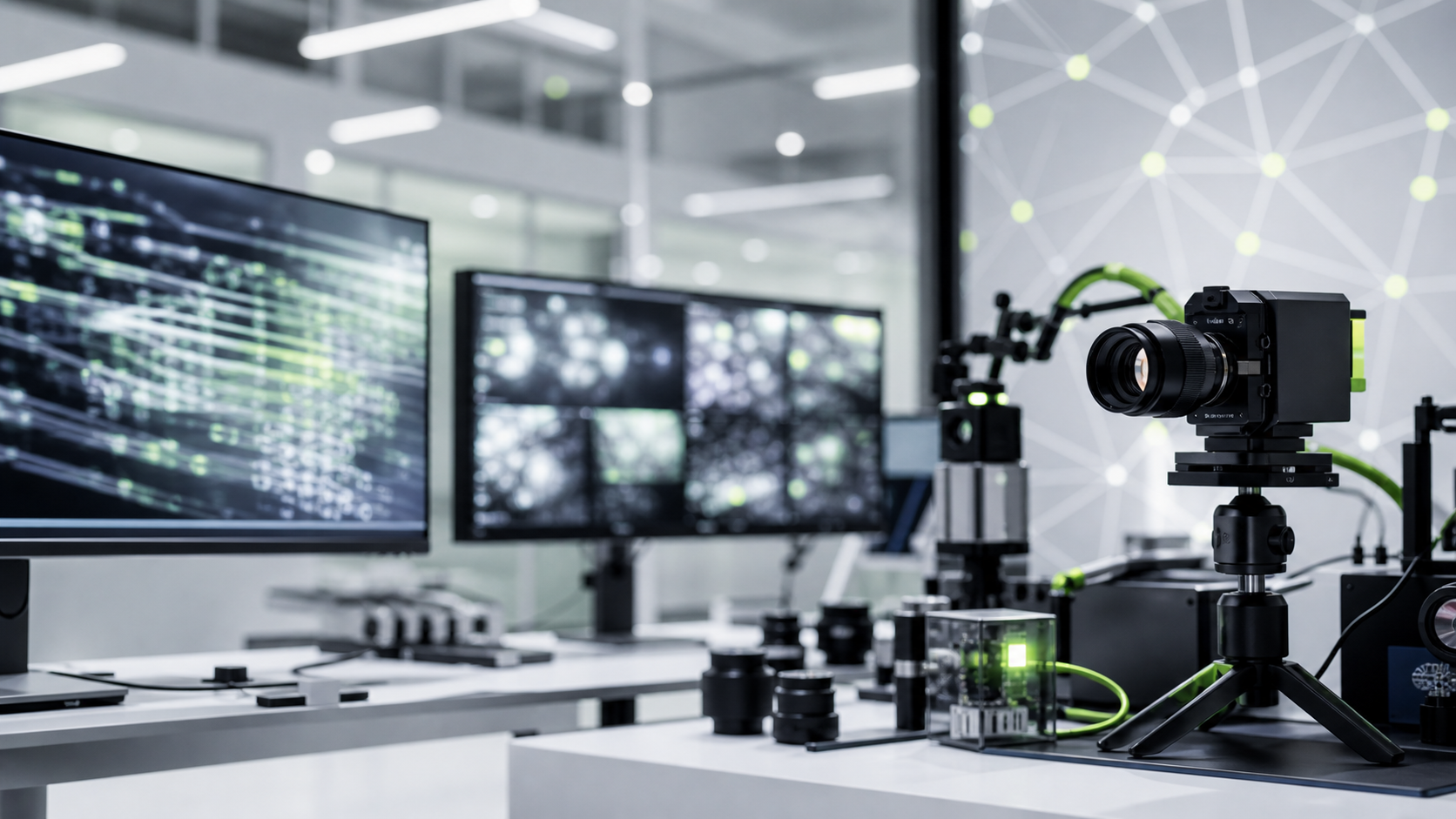
Computer vision research lab with camera rig and visual analysis screen
CAM RIG
SAMPLE FIELD
VISION MAP
Focus frame [50, 50]
Perception PreviewApplied vision research map
REC
AXIS: APPLIED COMPUTER VISION
SYS_STATUS: ACTIVE // CLUSTER_OK
FRAME // 08429
CORE EXPERTISE

Research at LIVIA

LIVIA studies large-scale processing, analysis, and interpretation of images and videos through artificial intelligence.

[01]ACTIVE_AXIS_01
Computer vision lab with camera rig and abstract video analysis screens
DOMAIN IMAGE

Large-scale processing, analysis and interpretation of images and videos

LIVIA studies the perception and modelling of dynamic environments, including 2D and 3D scenes and speech, with the help of artificial intelligence techniques.

// Scientific orientation
  • Perception and modelling of dynamic environments
  • Foundational principles of image and video processing, analysis, and interpretation
V_STATESTABLE
Open collaboration
[02]ACTIVE_AXIS_02
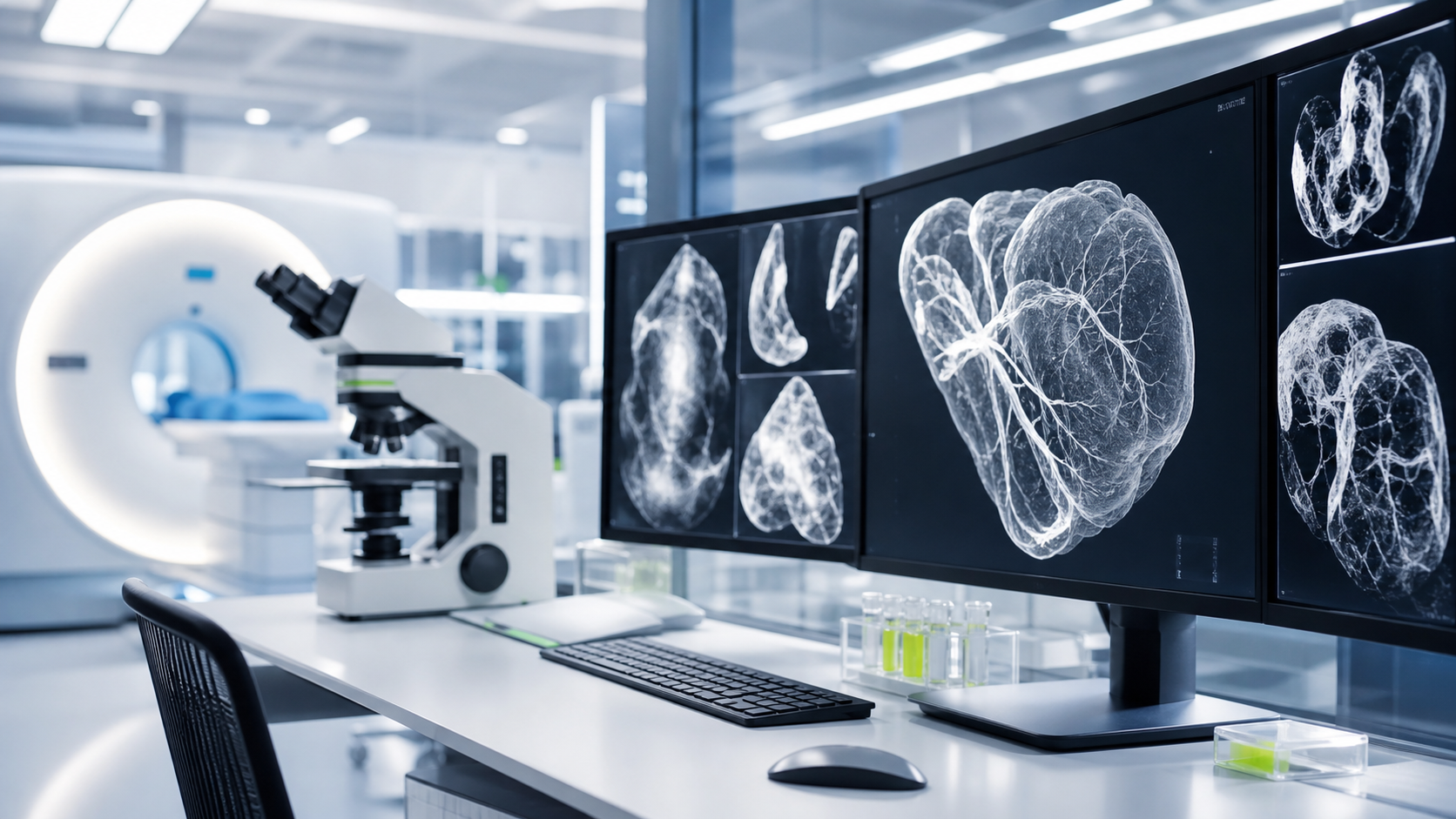
Medical imaging research workstation with microscopy and 3D anatomical scans
DOMAIN IMAGE

Research and development

LIVIA's research and development activities are oriented around six main conceptual axes and their fields of application.

// Six conceptual axes
  • Machine learning
  • Computer vision
  • Pattern recognition
  • Adaptive and intelligent systems
  • Information fusion
  • Optimization of complex systems
V_STATEIN_CLINICAL_TESTS
Explore axis
[03]ACTIVE_AXIS_03
Secure AI research lab with camera hardware and protected computing infrastructure
DOMAIN IMAGE

Perception and modelling of dynamic environments

LIVIA's techniques solve concrete and complex problems, including detecting tumors or patient depression levels where massive datasets have limited annotations.

// Fields of application
  • Analysis of medical, satellite, aerial and other images
  • Biometrics: recognition from signature, face, voice, etc.
  • Automatic processing of handwritten documents
  • Affective computing for health monitoring
  • Safety and surveillance
V_STATESECURE
Explore axis
SOURCE HIGHLIGHTS

LIVIA highlights

For close to 30 years, LIVIA has developed innovations at ÉTS through academic and industrial collaborations, training highly skilled personnel and publishing internationally recognized research. Its members have produced hundreds of publications while supervising graduate students, post-graduate students, and postdoctoral fellows.

Research Chairs associated with LIVIA

Digital health AI research workstation with medical imaging overlays
chair_03

Research Chair in Artificial Intelligence and Digital Health for Health Behaviour Change

AI research for eHealth interventions and non-verbal behavioural cues.

  • Assessing non-verbal cues to personalize online healthcare interventions in behavioural change contexts.
  • Designing deep networks for recognizing facial and vocal expressions associated with ambivalence, motivation, and commitment.
OPEN BENCHMARKS

Scientific Datasets & Ledgers

Specialized datasets maintained by LIVIA, with the same parent-detail structure as the source site.

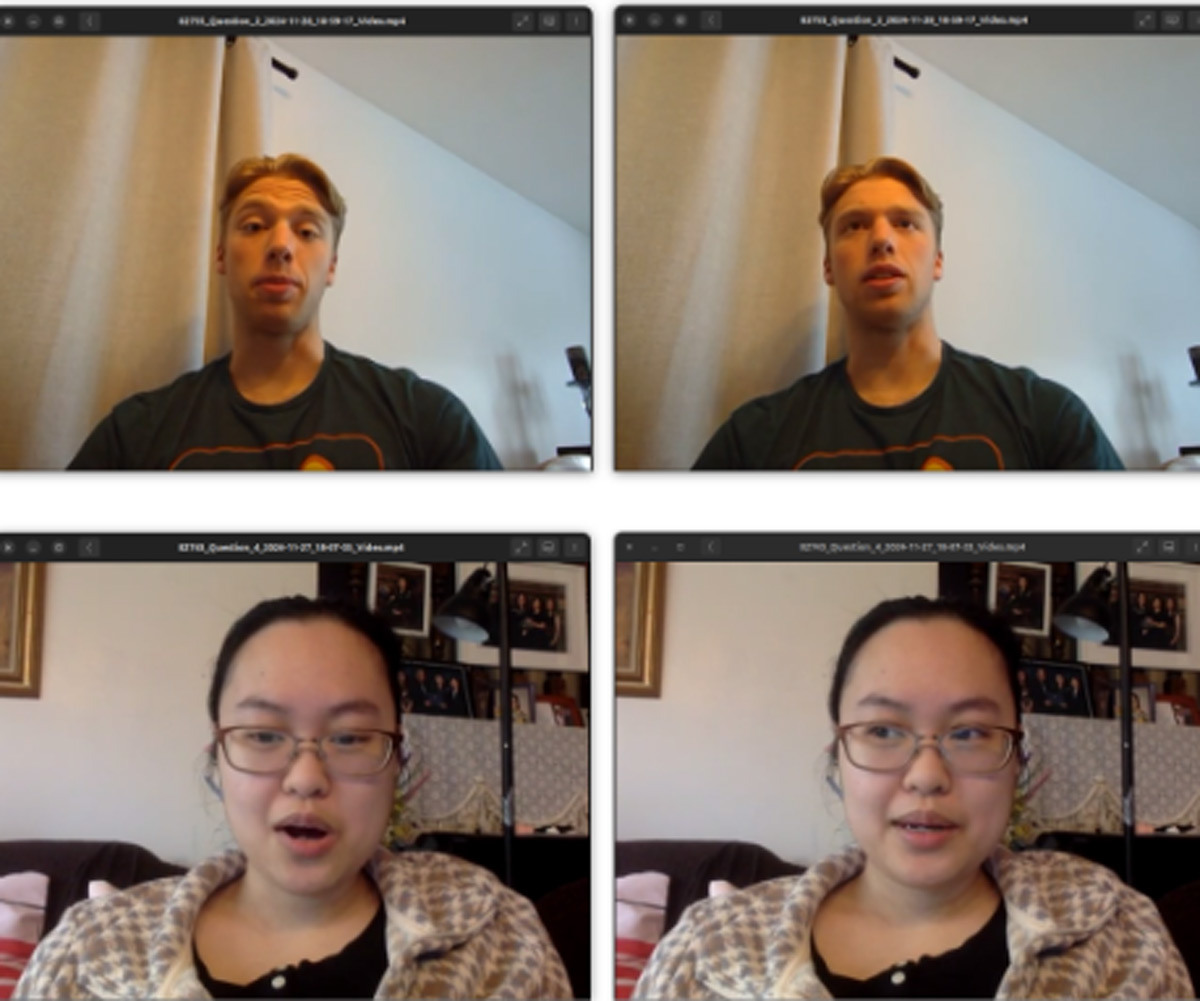
Online interactions between students sharing experiences in an academic setting.
Multimodal emotion recognitionProprietary license for research use

Behavioural Ambivalence/Hesitancy

The BAH dataset addresses ambivalence and hesitancy recognition in videos for digital behaviour change research, with expert annotations, transcripts, and participant metadata.

  • 300 participants from nine Canadian provinces
  • 1,427 videos totaling 10.6 hours
  • Expert A/H annotations at frame and video levels
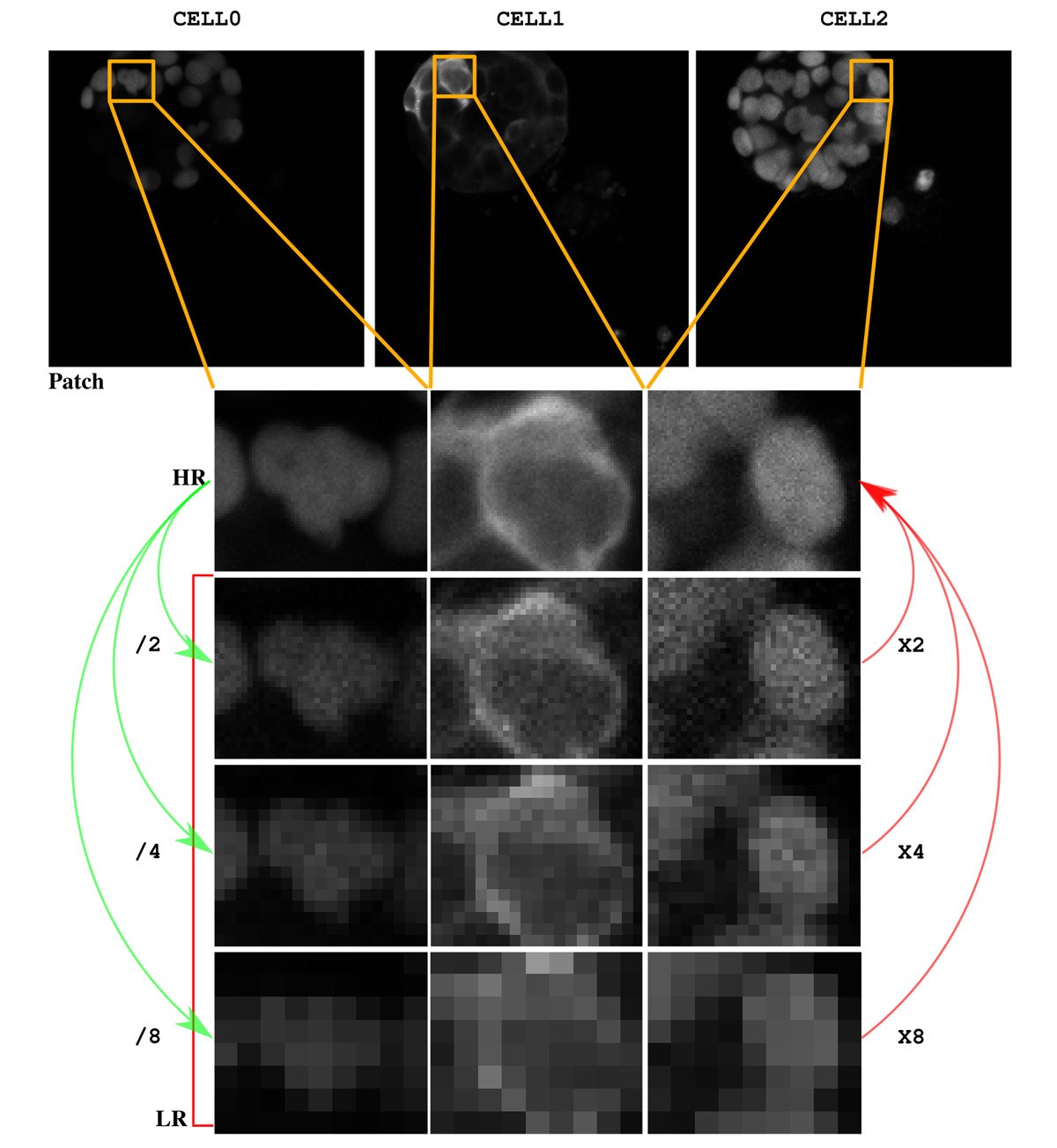
Comparative analysis of cells with varying resolution.
Microscopy image super-resolutionCC BY-NC-SA 4.0

SR-CACO-2

SR-CACO-2 supports single-image super-resolution research for confocal fluorescence microscopy, using Caco-2 cell images across several resolution levels and fluorescent markers.

  • 2,200 images of human epithelial Caco-2 cells
  • Three fluorescent markers and four resolution levels
  • 9,937 image patches for training and evaluation
LIVIA INVESTIGATORS

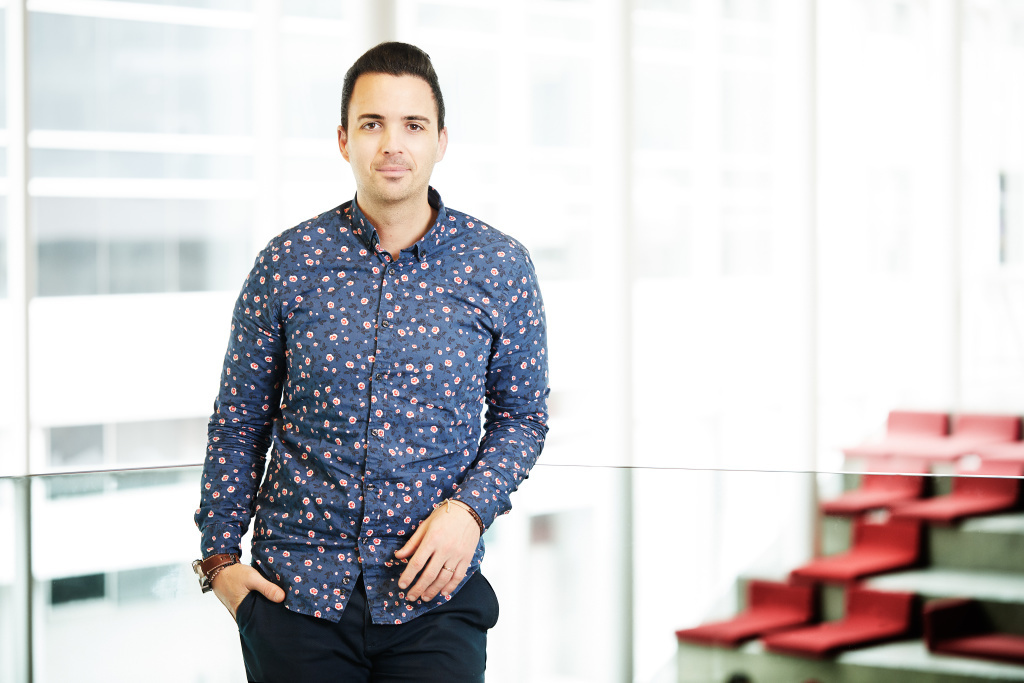
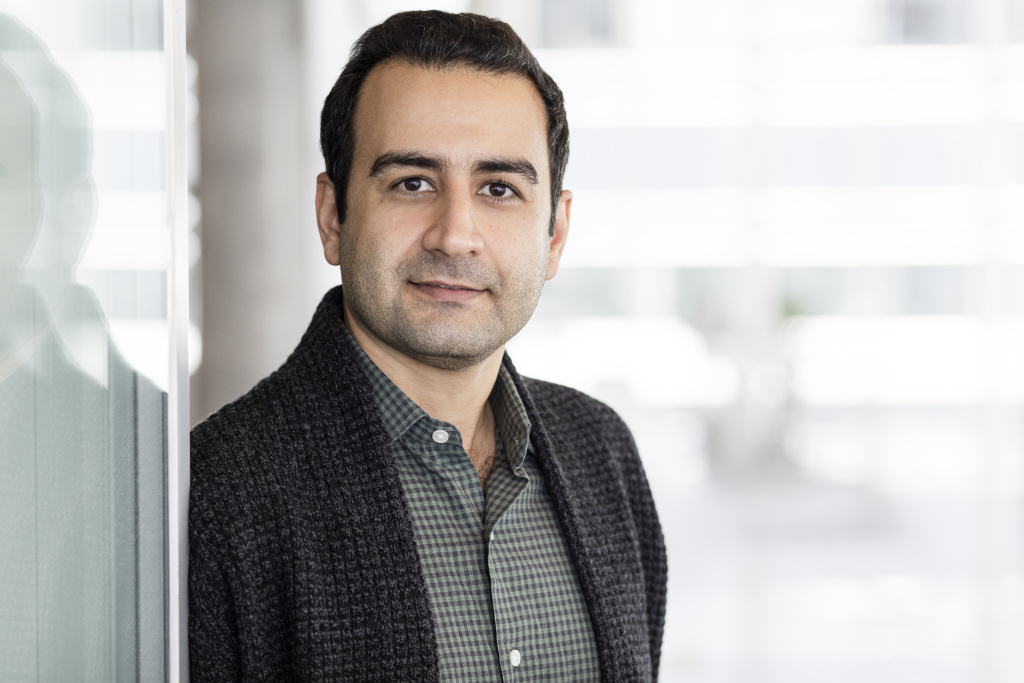
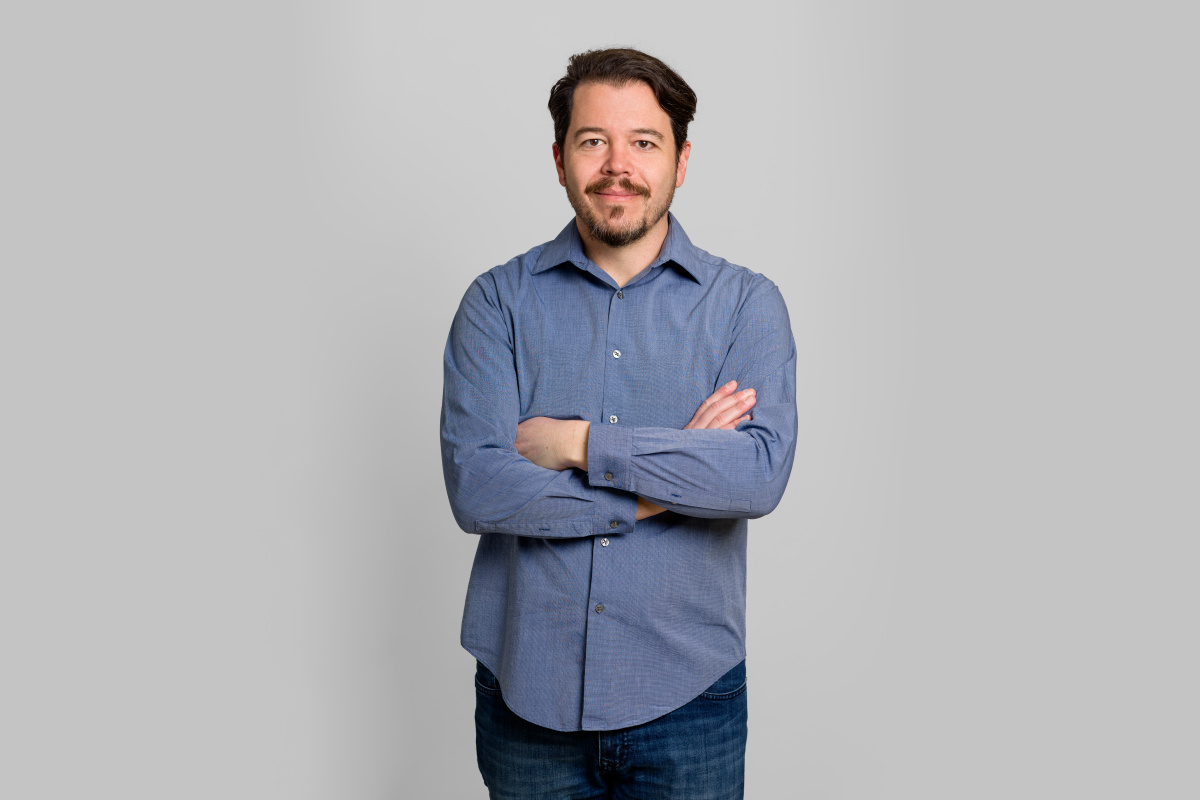
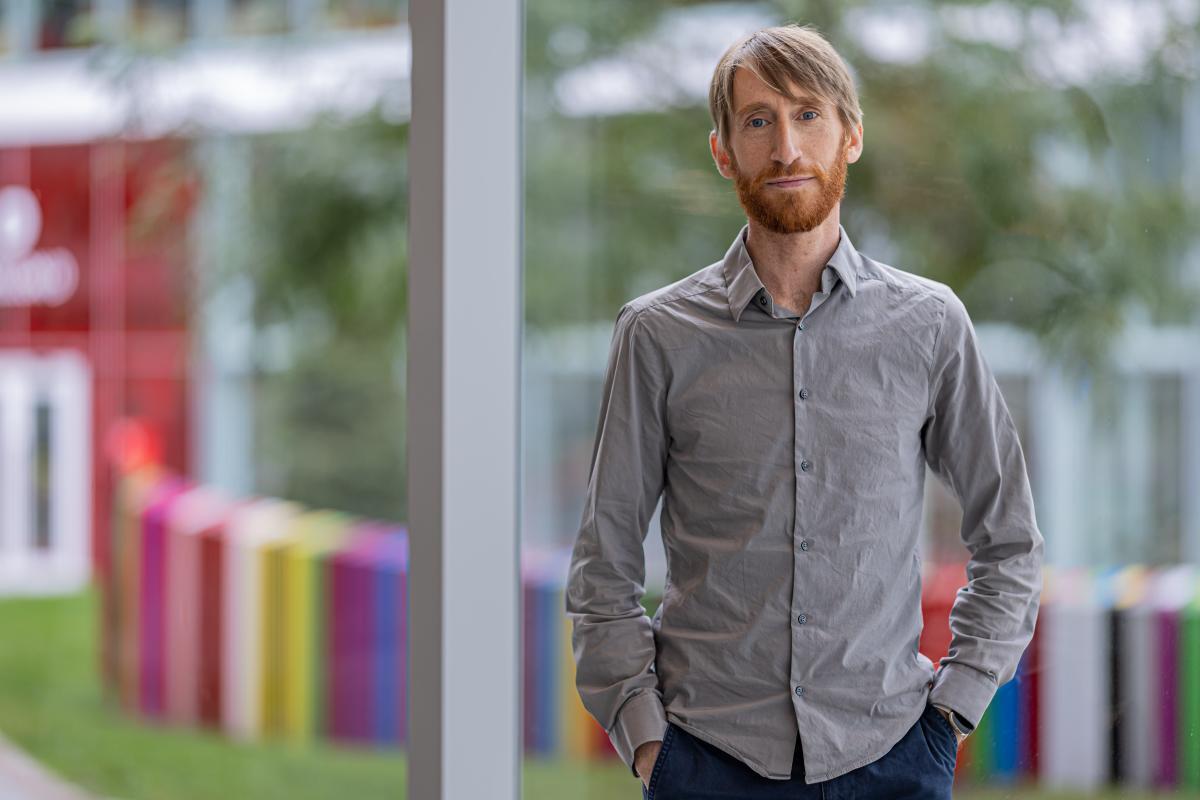
LIVIA Faculty Team

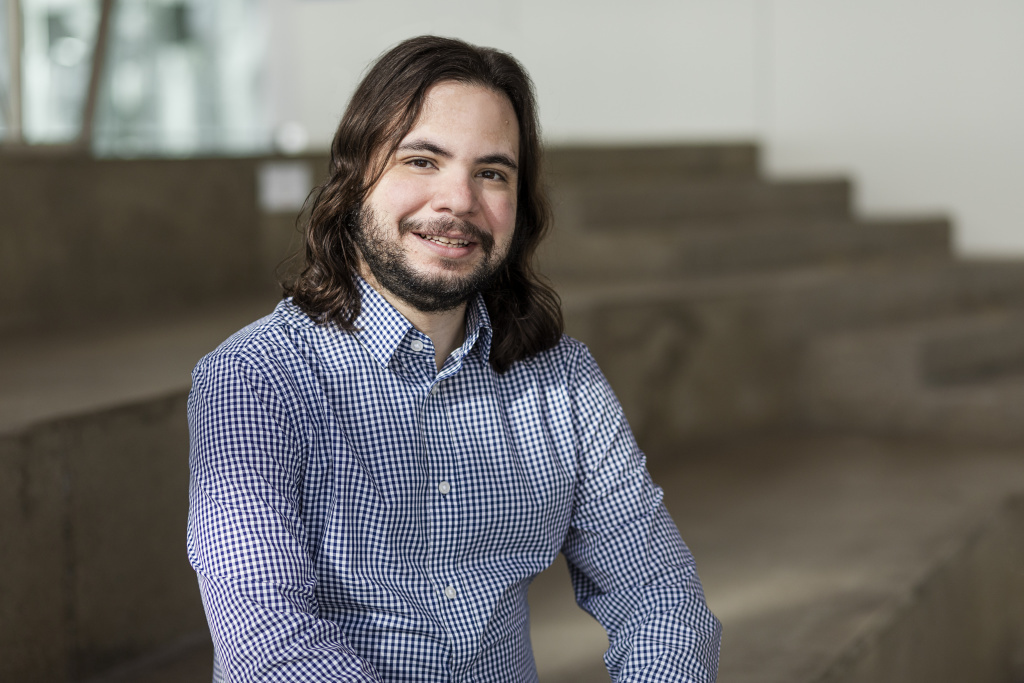
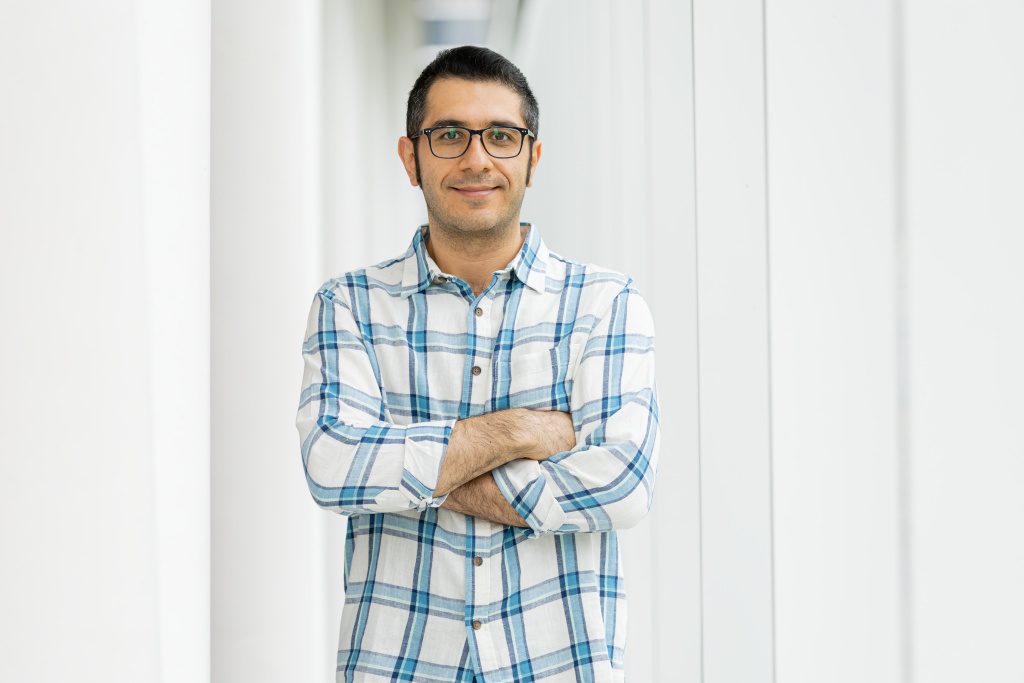
LIVIA consists of professors, researchers, and engineers at ÉTS Montréal pushing the boundaries of machine vision.

Éric Granger
Faculty profile

Éric Granger

Professor / Lab Director

Axe de recherche

Spatio-temporal pattern recognition, video surveillance & robust AI

Ismail Ben Ayed
Faculty profile

Ismail Ben Ayed

Professor

Axe de recherche

Form optimization, image segmentation & clinical deep learning

Christian Desrosiers
Faculty profile

Christian Desrosiers

Professor

Axe de recherche

Deep learning on graphs and computational neuroimaging

José Dolz
Faculty profile

José Dolz

Professor

Axe de recherche

3D medical image segmentation and unsupervised domain adaptation

Mohamad Forouzanfar
Faculty profile

Mohamad Forouzanfar

Professor

Axe de recherche

Intelligent signal perception, sensor processing & embedded AI

Alessandro Lameiras Koerich
Faculty profile

Alessandro Lameiras Koerich

Professor

Axe de recherche

Speech recognition, biophysical signal processing & vision

Marco Pedersoli
Faculty profile

Marco Pedersoli

Professor

Axe de recherche

Weakly supervised learning and generative visual AI architectures

Rafael Menelau Oliveira Cruz
Faculty profile

Rafael Menelau Oliveira Cruz

Professor

Axe de recherche

Dynamic classifier selection and robust multi-classifier systems

Robert Sabourin
Faculty profile

Robert Sabourin

Professor Emeritus

Axe de recherche

Complex document analysis, handwriting recognition & biometrics

Mohammadhadi Shateri
Faculty profile

Mohammadhadi Shateri

Professor

Axe de recherche

Differential privacy, secure collaborative machine learning

Matthew Toews
Faculty profile

Matthew Toews

Professor

Axe de recherche

3D computer vision, multi-modal image registration & medical biometrics